From Coal to What? Charting a Just Transition in the Western Balkans
Who pays the price of a green transition, and who gets left out of designing it? These were the questions at the heart of the Balkan Green Policy Lab’s webinar “From Coal to What? Just Transition in the Western Balkans”, gathering Green parties, trade unions, civil society, and academics from across the region on 11 May 2026. The answers aren’t simple – but the direction is clear.
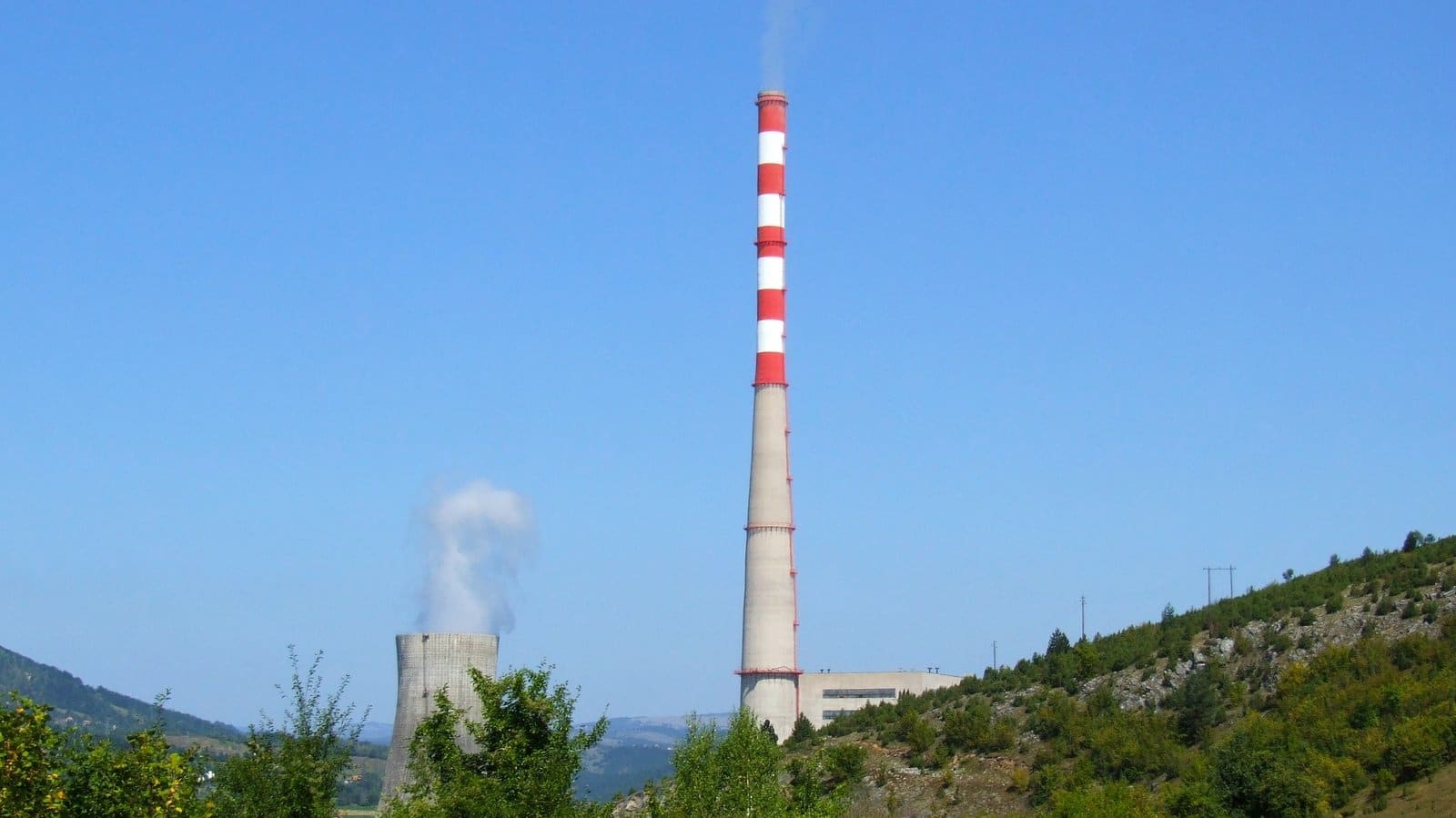
Pljevlja: a case in point
In 2026, coal remains an important electricity source in the Western Balkans – but this dependence comes at a high price. Montenegro’s single lignite power plant in Pljevlja has operated illegally for years, in breach of EU directives on air pollution. Now it faces added pressure from the EU’s Carbon Border Adjustment Mechanism (CBAM), which puts a price on the carbon embedded in electricity imports. The toll is already visible in public health: air pollution in the town exceeds safe limits more than 100 days a year, linked to over 250 premature deaths annually.
Montenegro has set the region’s most ambitious climate target, a 55% emissions cut by 2030, yet its draft energy plan can’t settle on a coal phase-out date, citing anything between 2035 and 2045. Nataša Kovačević (Bankwatch), presenting the policy paper Green Transition in Montenegro, estimated the cost of a fair transition at between €700 million and €1.1 billion. For now, there’s no single fund to draw that money from.
How to move forward?
The gap between ambition and capacity shows up in how people feel about it: a UNDP survey of Pljevlja mine and plant workers found that 90% can’t picture themselves working anywhere else within 15 years. That’s hardly surprising in a town where coal provides over 1,200 direct jobs and supports around a fifth of the local economy.
Kovačević’s recommendation is twofold: a decarbonisation roadmap that factors in both the carbon price and CBAM obligations, and a territorial just transition plan built together with workers and the local community, rather than imposed on them from above. That plan isn’t just good practice – it’s a prerequisite for unlocking EU funding through mechanisms like the Just Transition Mechanism and IPA III, neither of which Montenegro can currently access without one.
“It also has to mean: building something”
As Luka Kovačević, who grew up in Pljevlja, put it: “Transition cannot only mean shutting something down, shutting these jobs down. It also has to mean: building something.”
That’s the webinar’s message in a nutshell. Coal phase-out in the Western Balkans isn’t really in question anymore. The real choice is between a just transition and an unjust one – and doing nothing is the costliest option of all. Getting it right means three things:
– Clear timelines
– Real social protections like wage subsidies and training stipends
– Governance that continuously includes communities, not just once as a box to tick
A democratic just transition?
The webinar also raised a harder question: who gets to design the transition in the first place? A recurring pattern emerged — policies shaped at EU level, tradeoffs communities never agreed to, and a democratic deficit in how decisions get made. Catarina Scarrott, who works with communities affected by lithium mining in Portugal, put it plainly: “The communities that see things happening on the ground have got no power to challenge or to fight who is accountable.” At EU level, Bela Galgoczi (European Trade Union Institute) warned that just transition policy is backsliding even as Green Deal ambitions stay high – leaving Europe at risk of losing more jobs than it gains. Dajana Cvetković (Center for Civil Society Promotion BiH) stressed that civil society, media, and trade unions hold more power than they often realise – and need to use it. Pljevlja, Montenegro’s coal heartland, is a case in point: distrust, policy gaps, and underused union power.
Inclusive solutions
There’s no single model that fits every case. Renewable energy parks, grid modernisation, and cooperative, community-owned alternatives – sometimes called “energy democracy” – were all proposed, alongside examples from other post-coal regions: Slovenia’s Velenje turned former mining land into a recreational hub, while North Macedonia drew on international climate finance to regenerate its coal regions. The public sector has its own role too: binding phase-out timelines, social protection, and investment where private money won’t go. In the end, Pljevlja’s road to a just transition depends less on funding alone than on who gets a seat at the table – and whether they have a real say in what gets built.
What comes next
Just transition is one of five themes the Balkan Green Policy Lab developed into regional policy briefs in 2025 and has been presenting through a webinar series. Stay tuned for the policy briefs, coming soon to our website, and for more from the Balkan Green Policy Lab.
The Balkan Green Policy Lab is an initiative supported by Green Forum that connects Green parties across the Western Balkans to shape a shared energy policy.
Featured image of Pljevlja: Pudelek (Marcin Szala) – Own work, CC BY-SA 3.0, Link
 Read More